Dermaplaning vs Microdermabrasion: Which Exfoliation Is Right for You?

Both promise smoother, brighter, makeup ready skin, and both are gentle treatments with no downtime. So when people ask which they should book, dermaplaning or microdermabrasion, the honest answer is that it depends on your skin and what actually bothers you. Here is a clear, side by side look so you can choose with confidence.
What is dermaplaning?
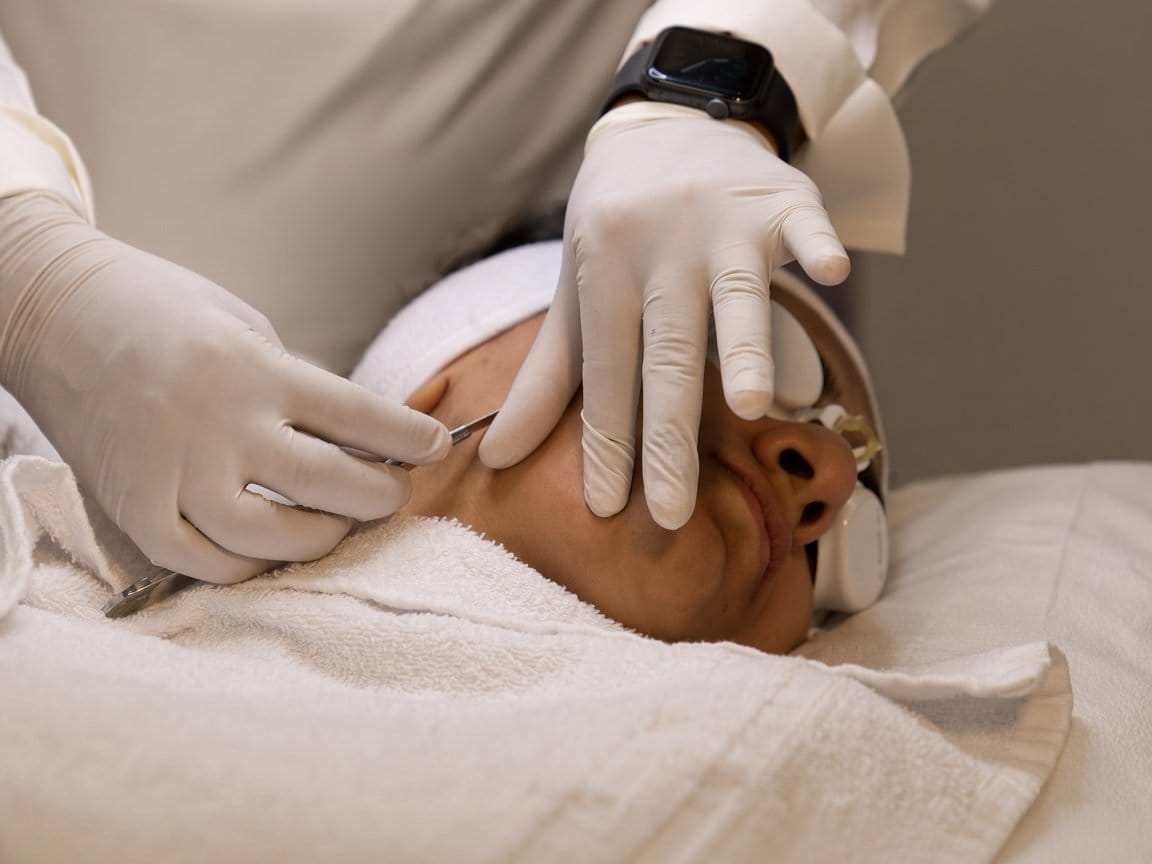
Dermaplaning uses a sterile surgical blade, held at an angle and gently glided across the skin, to sweep away dead surface cells and the fine, downy hair known as peach fuzz. It sounds more dramatic than it feels. The result is immediate, skin looks instantly smoother and brighter, and makeup glides on flawlessly because there is no fine hair or dead skin to catch on. It is a favourite before events for exactly that reason.
What is microdermabrasion?
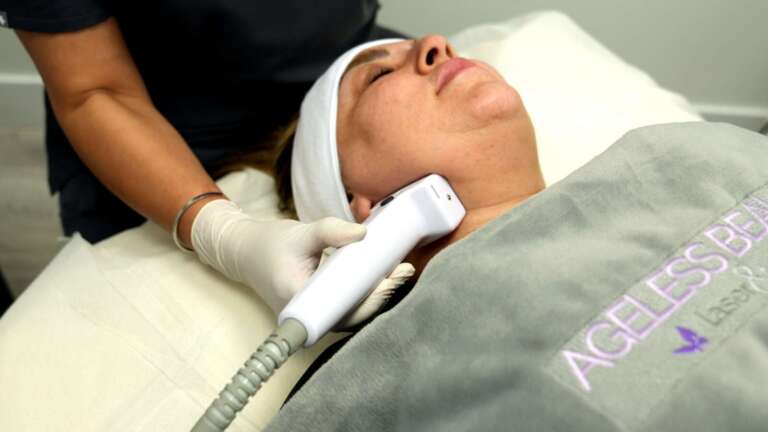
Microdermabrasion exfoliates using a handheld device that buffs the surface of the skin, either with fine crystals or a diamond tipped wand, while gentle suction lifts away the loosened cells. Rather than removing hair, it focuses on polishing the skin and clearing out pores. It reaches a touch deeper into surface congestion than dermaplaning, which makes it a strong choice for anyone whose main concern is rough texture or blocked pores.
The key difference, simply put
Here is the heart of it. Dermaplaning removes both dead skin and fine facial hair, giving an exceptionally smooth, makeup ready finish on the surface. Microdermabrasion leaves the hair alone but works a little deeper on texture and congestion. One is the ultimate smooth and bright reset, the other is the pore refining polish. Neither is better overall. They simply suit different skin and different goals.
Which one treats what best
Choose dermaplaning if your main wishes are to remove peach fuzz, brighten a dull complexion, smooth away flaky dry patches, and get a flawless base for makeup. Lean towards microdermabrasion if you are more concerned with rough or uneven texture, blackheads and congested pores, or a generally lacklustre surface that needs polishing. If you are honestly not sure, that is exactly what a consultation is for, and often the answer is a little of both over time.
Does the hair grow back thicker? The myth, cleared up
This is the single most common worry, and the answer is a firm no. Dermaplaning removes soft vellus hair, which grows back exactly as it was before, at the same fine texture and colour. It cannot change the type of hair you have. The idea that shaving or dermaplaning makes hair coarser is a long standing myth with no basis in how hair actually grows. You can put that fear to rest.
What they feel like, and the downtime
Both are comfortable and neither needs recovery time. Dermaplaning feels like a light, painless scratching sensation as the blade passes over the skin. Microdermabrasion feels like a gentle sanding with a mild tugging from the suction. Afterwards you may be a touch pink for a short while, then simply smooth and glowing. You can return to your day immediately, makeup included.
You do not necessarily have to choose. Many people alternate the two across the year, or pair one with a facial, so their skin gets both the smooth, hair free finish and the deeper pore polishing. Your specialist can build a simple rotation that suits your skin.
Who should take care
Both treatments are gentle, but they are not for everyone at every moment. Active, inflamed acne, certain skin conditions or very reactive skin may mean one or both should wait, or a different approach is better for now. This is not a reason to worry, just a reason to have a quick professional look first so your treatment helps rather than irritates.
How to choose, or simply combine
If you want the short version, dermaplaning is your smooth, bright, makeup ready reset, and microdermabrasion is your pore refining polish. Many people end up enjoying both. The best way to decide is a brief consultation where we look at your skin and match the treatment, or the combination, to what you actually want to change.
Explore dermaplaning and our other facials, then book a consultation to find your perfect exfoliation.
Key takeaways
- Dermaplaning removes dead skin and peach fuzz for a smooth, makeup ready finish
- Microdermabrasion polishes texture and clears congested pores
- Dermaplaned hair grows back exactly as before, never thicker
- Both are painless with no downtime, and many people use both
Frequently asked questions
What is dermaplaning?
Dermaplaning uses a sterile blade to gently remove dead surface cells and fine peach fuzz hair, leaving skin instantly smoother, brighter and perfectly primed for makeup.
Does hair grow back thicker after dermaplaning?
No. Dermaplaning removes soft vellus hair, which grows back exactly as it was, at the same fine texture and colour. It cannot change the type of hair you have.
How long does dermaplaning last?
Results typically last around three to four weeks, roughly the time it takes for the fine hair and surface cells to return, so many people repeat it monthly.
Dermaplaning or microdermabrasion, which is better?
Neither is better overall. Dermaplaning removes hair and gives a smooth, bright finish, while microdermabrasion works deeper on texture and congested pores. The right one depends on your skin.
How often should I get these treatments?
Both suit a roughly monthly rhythm for most people. Your specialist will tailor the frequency to your skin, and some clients alternate the two across the year.
Is dermaplaning worth it?
If you want smooth, luminous, makeup ready skin with no downtime, most people find it very worthwhile, especially before an event.