Spring Is Peeling Season: A Beginner’s Guide to Chemical Peels

As the brighter months approach, there is a reason chemical peels suddenly become the treatment everyone wants. Spring is genuinely the best time to start one, and a peel is among the most effective ways to undo a whole winter’s worth of dullness. If you have been peel curious but a little nervous, this is your plain English beginner’s guide.
What a chemical peel actually is
The name sounds more dramatic than the treatment. A chemical peel is simply a controlled application of exfoliating acids that loosen and lift away the dull, dead and damaged cells sitting on the surface of your skin. As those tired cells clear, fresher, brighter skin is revealed underneath, and your skin is prompted to renew itself more evenly. It is one of the oldest tools in professional skincare precisely because the basic idea works so reliably.
Why spring is peeling season
Timing is everything with peels. Freshly peeled skin is more sensitive to the sun, so the cooler, lower light months are far safer than the peak of summer. Spring is the sweet spot. You get to clear away the grey, congested look that winter leaves behind, and you set your skin up to look its best just as more of it is on show. Starting now means your glow peaks exactly when you want it.
What a peel can do for you
Peels are wonderful all rounders. They brighten a dull complexion, even out patchy tone and mild pigmentation, smooth rough or uneven texture, help with congestion and mild breakouts, and soften the look of early fine lines. Because the treatment encourages fresh, even cell turnover, the finish tends to look healthy and natural rather than merely resurfaced. For many people it is the single most noticeable facial they try.
Light, medium and deep, in brief
Peels come in different strengths, and the right depth depends on your skin and your goal. Light peels are gentle, with little to no downtime, and are perfect for a first timer or for regular brightening. Medium peels reach a little deeper for more noticeable work on tone and texture, with a few days of flaking. Deep peels are the most intensive and are reserved for specific concerns. As a beginner, you will almost always start light, and your specialist will guide you up only if and when it makes sense.
What a first peel feels like
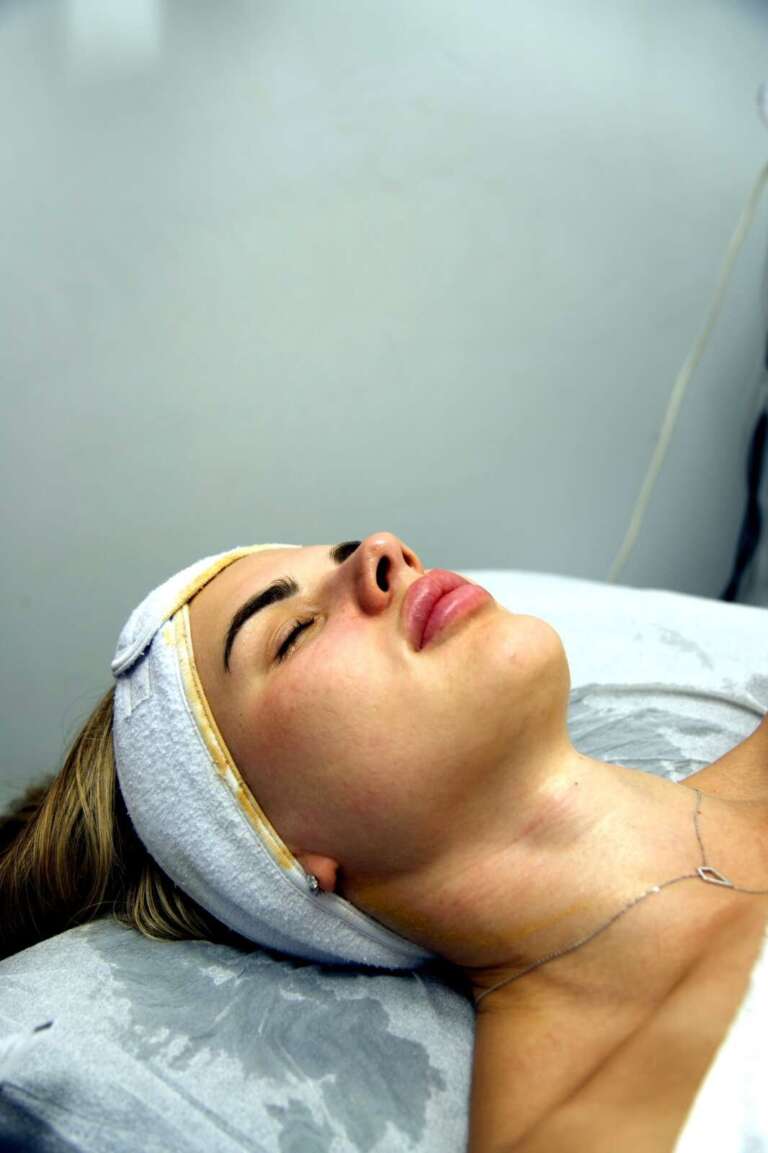
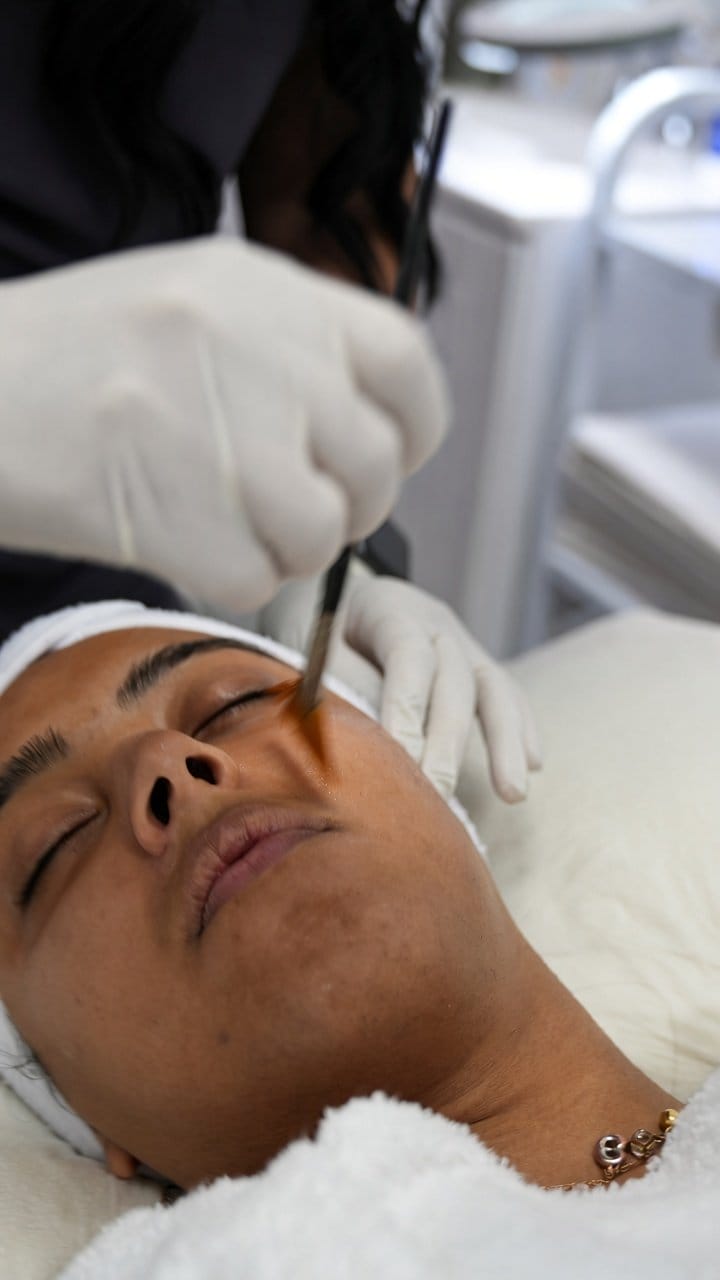
There are no needles and nothing alarming. After your skin is cleansed, the solution is applied and left on for a short, carefully timed period. Most people feel a mild tingling or warmth that settles quickly. The appointment is short, and with a light peel you simply leave with brighter skin, perhaps a little light flaking over the next day or two. It is far gentler than the internet sometimes makes it sound.
Are chemical peels safe?
In professional hands, yes. The safety comes from matching the right type and strength of peel to your skin, applying it correctly, and timing it precisely, which is exactly what a trained specialist does. This is also why a quick consultation matters, and why strong at home peels carry more risk than people realise. Treated properly, a peel is a safe, controlled and highly effective treatment.
Start with a light peel, and ideally a short series, rather than jumping straight to the strongest option. Building up gently lets your skin adjust, delivers steady results, and is far kinder than one aggressive treatment.
Aftercare and the one golden rule
Aftercare is simple but important. Keep your skin hydrated, be gentle, and whatever you do, never pick or peel the flaking skin, as that is how marks and irritation happen. Let it shed naturally. And the golden rule, true of every peel, is daily sunscreen. Protecting your fresh new skin from the sun is what locks in your results and prevents new pigment from forming.
How often, and building a plan
Light peels work beautifully in a series, often every few weeks, to build and then maintain results. Your specialist will suggest a rhythm based on your skin rather than a fixed rule, and many people settle into an occasional maintenance peel once they reach the look they want. Consistency, as ever, beats intensity.
Explore our chemical peels and book a consultation to start your spring glow the right way.
Key takeaways
- A chemical peel exfoliates away dull surface cells to reveal fresher skin
- Spring suits peels because freshly treated skin is sensitive to sun
- Beginners start with light peels, ideally in a gentle series
- Never pick the flaking skin, and wear sunscreen every day
Frequently asked questions
What is a chemical peel?
A chemical peel is a controlled application of exfoliating acids that lift away dull, dead surface cells, revealing fresher, brighter skin and prompting even renewal underneath.
Are chemical peels safe?
Yes, when performed by a trained professional who matches the right peel to your skin and times it correctly. Strong at home peels carry more risk, which is why a consultation matters.
How long does a chemical peel take to heal?
A light peel has little to no downtime, with mild flaking for a day or two. Medium peels involve a few days of visible flaking. Your specialist will tell you what to expect for your peel.
How often should you get a chemical peel?
Light peels work well in a series every few weeks, then as occasional maintenance. Your specialist tailors the frequency to your skin and goals rather than a fixed rule.
Will my skin peel a lot after a chemical peel?
Not usually with a light peel, which may cause only mild flaking. Deeper peels cause more visible shedding. Whatever happens, let it shed naturally and never pick at it.
How much does a chemical peel cost?
It depends on the type and depth of peel and whether it is part of a course. We give you a clear quote at your consultation at our Surrey clinic.