How to Fade Acne Scars for Good

Long after the breakouts calm down, the marks they leave behind can feel like the harder battle. The good news is that most acne scarring genuinely can be improved, sometimes dramatically. The key is knowing exactly what kind of marks you are dealing with, because the right treatment depends entirely on that. Here is an honest guide to fading acne scars for good.
First, is it a scar or a mark?
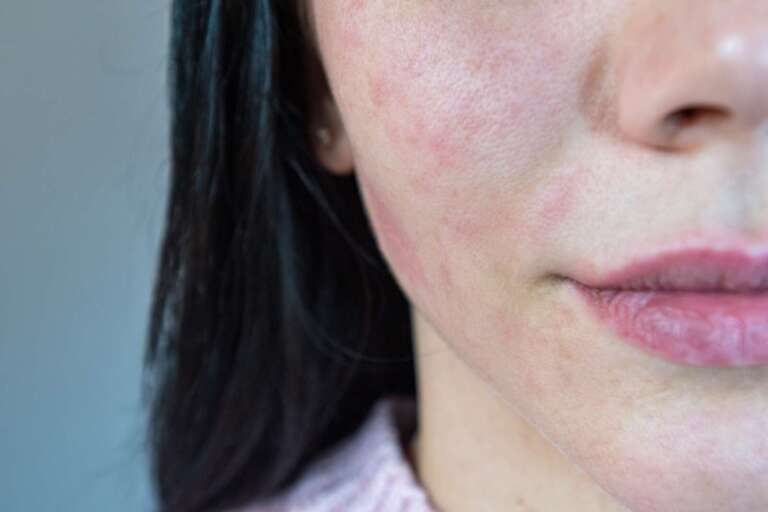
This is the distinction that changes your whole plan. Many of the spots left after a breakout are not true scars at all. They are flat marks, either brown pigmentation or pink to purple redness, left where the skin was inflamed. These often fade on their own over months and respond well to treatment. True scars are different. They are changes in the skin’s texture, little dents or raised areas, and because the structure of the skin has changed, they need treatments that rebuild it. Telling the two apart is the first thing a specialist does.
The main types of acne scars
Textural scars come in a few forms. Ice pick scars are small, deep and narrow, like tiny punctures. Boxcar scars are wider with defined edges, a little like shallow craters. Rolling scars give the skin a gentle, wavy unevenness. Less commonly, acne can leave raised scars that sit above the skin. On top of all of these sit the flat pigment and redness marks. Most people have a mix, which is exactly why a single product rarely fixes everything.
Why over the counter products only go so far
Home products have a real but limited role. Ingredients that brighten and encourage cell turnover can genuinely help fade flat pigment marks over time. What they cannot do is rebuild the collagen needed to lift a textural scar, because that change sits deeper than any cream can reach. If you have been diligent with serums and your dents and craters have barely moved, that is not a failure on your part. It is simply the wrong tool for that particular job.
Treatments that actually rebuild the skin
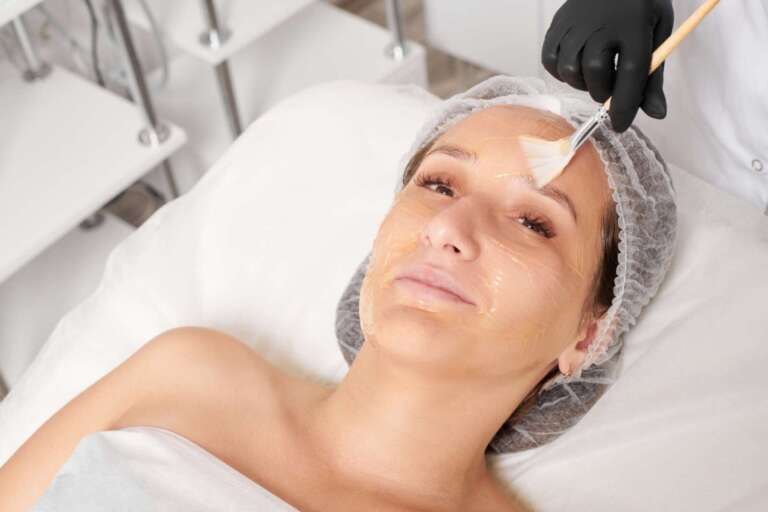
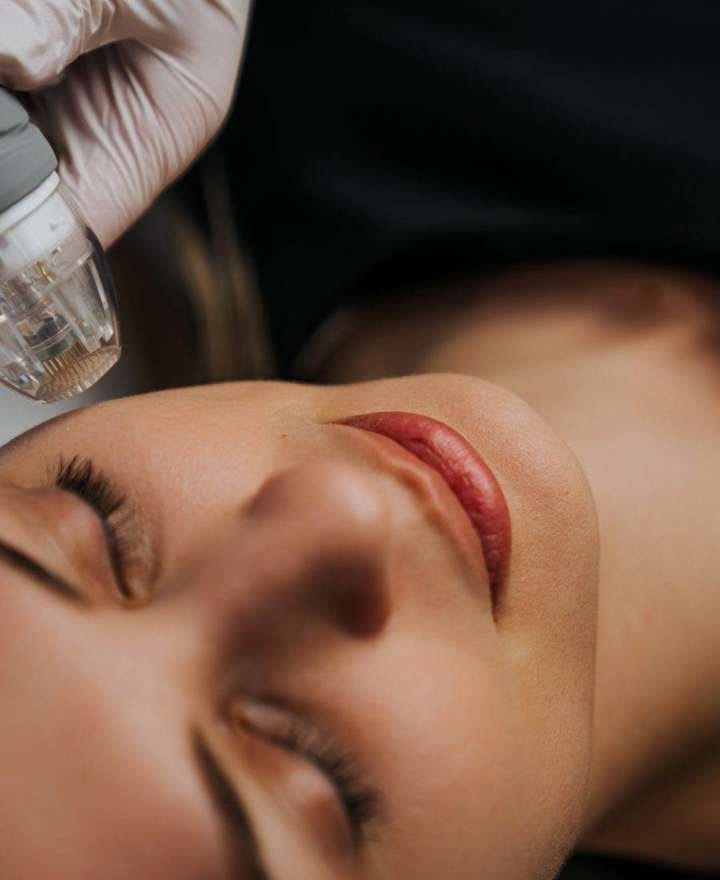
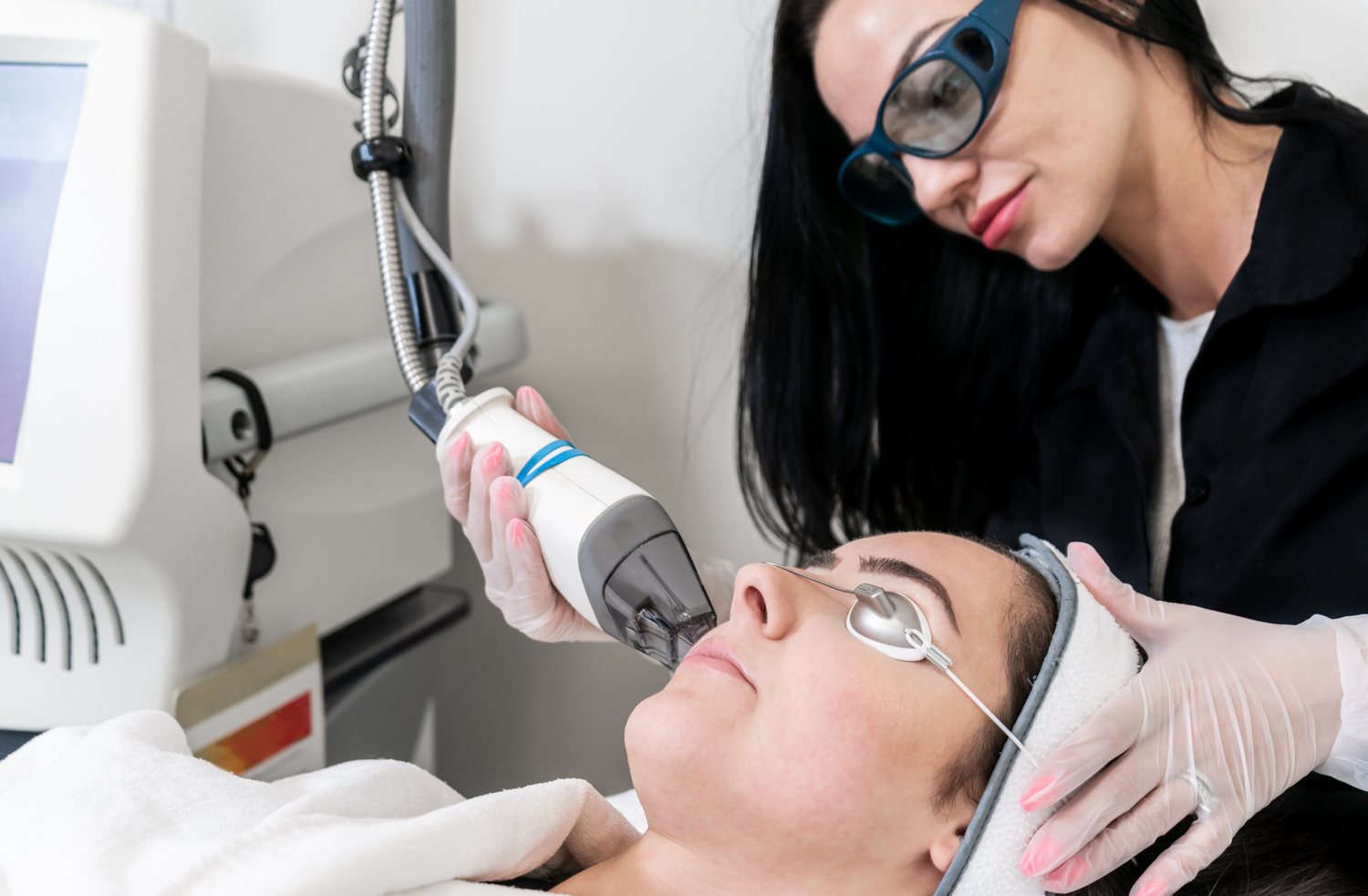
For textural scarring, the treatments that work are the ones that stimulate new collagen. Microneedling, and especially radiofrequency microneedling such as Morpheus8, creates controlled micro injuries that prompt the skin to remodel and fill scars from within. Laser resurfacing, including fractional and CO2 lasers, resurfaces the skin and smooths uneven texture over a series. Chemical peels can refine milder scarring and brighten the surface. None of these is a single magic fix, but used in the right combination they can transform how skin looks and feels.
Fading the pigment and redness marks
The flat brown and pink marks are often the easier win. Chemical peels lift and even out pigment, targeted lasers and light based treatments break up stubborn discolouration, and consistent brightening care at home supports the fade. The single most important factor, though, is sun protection, because ultraviolet light darkens these marks and drags out the process for months. Daily sunscreen is not optional here. It is the treatment working quietly in the background.
How long does it realistically take?
Honesty matters here. Flat pigment marks can fade over a few months with the right help. Textural scars improve gradually across a series of treatments and continue improving for months afterwards as collagen matures. This is a project measured in months, not days, and the people happiest with their results are the ones who trusted a steady plan rather than chasing an overnight fix. The payoff is that the improvement, once it arrives, tends to last.
Wear sunscreen every single day while you are treating acne scars. Sun exposure darkens leftover marks and can undo weeks of progress, so SPF is the cheapest and most powerful part of your entire plan.
Why a combination approach usually wins
Because most people have several kinds of scarring at once, the best results almost always come from combining treatments rather than relying on one. A plan might pair collagen building microneedling for the dents with peels or light treatments for the pigment, sequenced sensibly over the year. This layered approach treats the whole picture, which is why a tailored plan beats any single off the shelf solution.
What a consultation gives you
A proper assessment is where it all begins. A specialist looks closely at your skin, identifies which types of scarring you actually have, and builds a realistic plan with honest timelines and expectations. You leave knowing what can be improved, by how much, and over what period, which is far more reassuring than guessing. Clients across Surrey, Delta, Langley and White Rock come to us precisely because that plan is built around their skin.
Explore our approach to acne and acne scarring and book a consultation to start fading yours for good.
Key takeaways
- Flat marks fade with time and brightening care; textural scars need collagen treatments
- Microneedling, Morpheus8 and laser resurfacing rebuild scarred skin
- Daily sunscreen is essential to stop leftover marks darkening
- Combining treatments over months gives the best, lasting results
Frequently asked questions
What causes acne scars?
Acne scars form when a breakout damages the skin and the healing process is uneven. Deeper, inflamed or picked spots are more likely to leave textural scars or lasting marks.
How long do acne scars take to fade?
Flat pigment and redness marks often fade over several months, while textural scars improve gradually across a series of treatments and continue improving for months as new collagen forms.
Can acne scars be removed permanently?
Textural scars can be significantly and lastingly improved with collagen building and resurfacing treatments, though complete erasure is rare. Flat marks can usually be faded fully with time and care.
Do acne scars go away on their own?
Flat brown or red marks often fade on their own over months. True textural scars, the dents and craters, do not resolve by themselves and need professional treatment to improve.
What is the best treatment for acne scars?
It depends on the scar type. Microneedling, Morpheus8 and laser resurfacing work best for texture, while peels and light based treatments fade pigment. A combination is usually most effective.
Does sunscreen really help with acne scars?
Yes. Ultraviolet light darkens leftover marks and slows their fading, so daily sunscreen protects your progress and is one of the most important steps in the whole plan.