Rosacea and Redness: Calming Reactive Skin With Laser

If your skin flushes easily, stays pink across the cheeks and nose, or seems to react to almost everything, you may be dealing with rosacea. It is remarkably common, often misunderstood, and while it cannot be cured, it can be managed beautifully. Here is what rosacea really is, and how modern laser and light treatment calms the redness.
What rosacea actually is
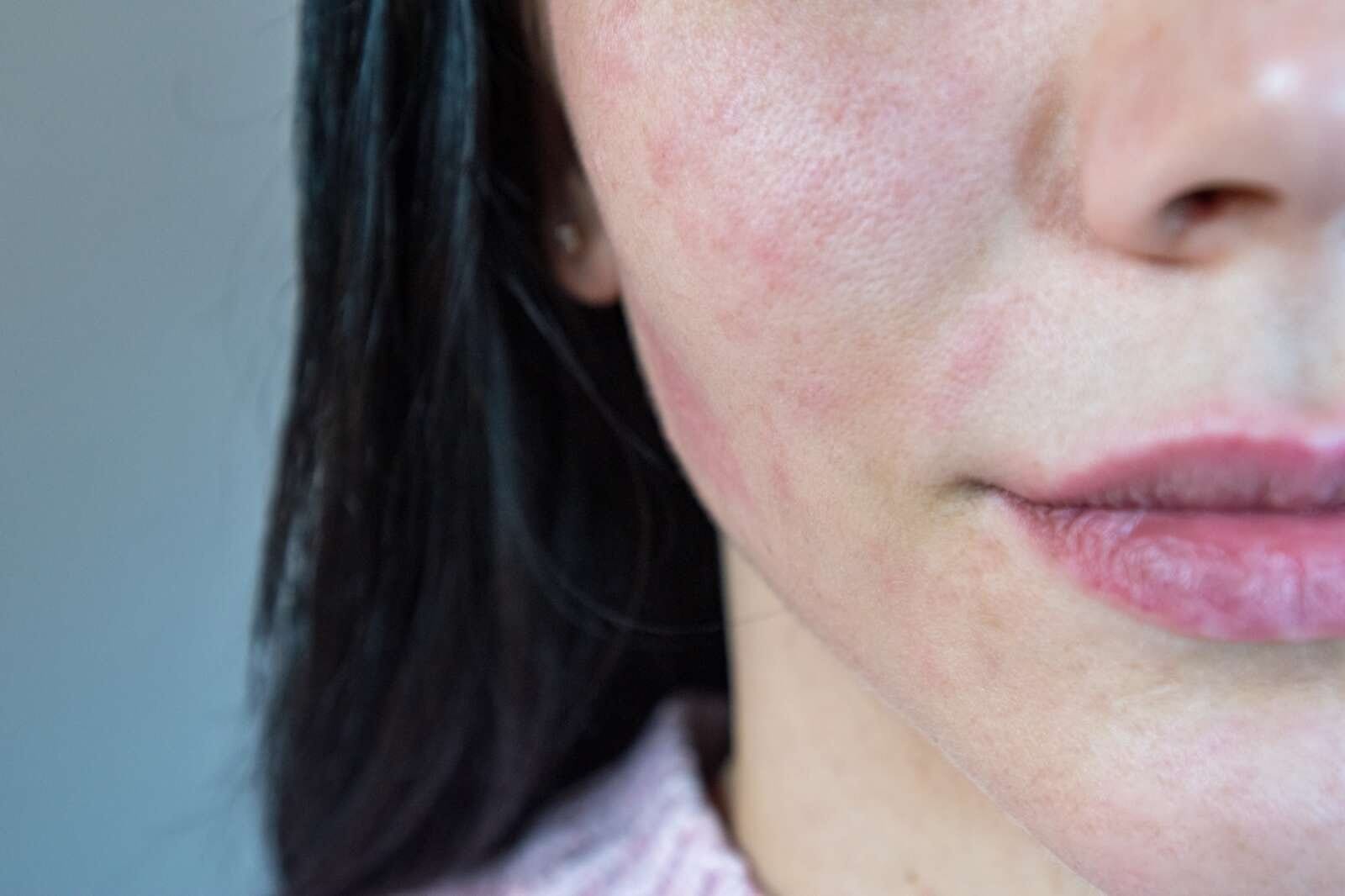
Rosacea is a common, long term skin condition that mainly affects the central face. It shows up as persistent redness, a tendency to flush, visible little blood vessels, and sometimes small bumps that can be mistaken for acne. At its heart is reactive skin with blood vessels that dilate too easily, which is why it is more than simply being sensitive. Understanding that distinction is the first step to treating it properly rather than fighting it with the wrong products.
How to know if it is rosacea
A few signs point towards it. Redness that sits mostly on the cheeks, nose, chin or forehead and does not fully fade, frequent flushing, a stinging or burning feeling, and fine visible capillaries are all common. Because other conditions can look similar, a professional assessment is the reliable way to confirm it and rule out anything else, so you are treating the right thing from the start.
What triggers it
Rosacea tends to flare in response to triggers, and these are personal. Common ones include sun exposure, heat, hot drinks, alcohol, spicy food, stress and sudden temperature changes. Learning your own triggers is a quiet superpower, because avoiding the worst of them reduces how often and how strongly your skin flares. Keeping a simple mental note of what sets yours off is genuinely part of the treatment.
Manageable, even if not curable
It is worth being honest about this. Rosacea is a chronic condition, so the goal is not to cure it but to control it, calming the background redness, fading visible vessels and reducing how often it flares. The reassuring news is that modern treatment does this very well. Most people can get their skin to a place where redness is far less noticeable and flare ups are fewer and milder, which makes a real difference to how skin looks and feels day to day.
How laser and light treatments help
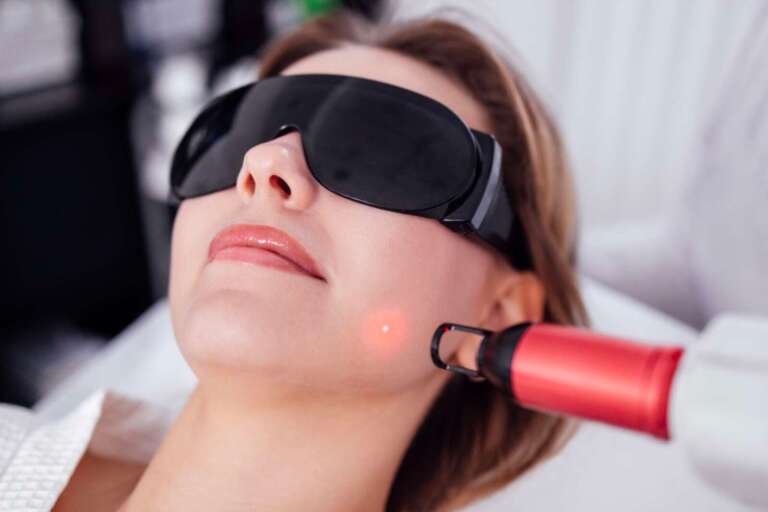
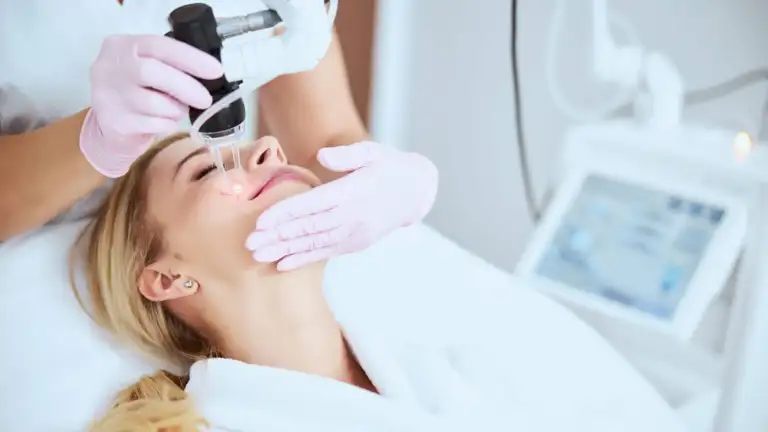
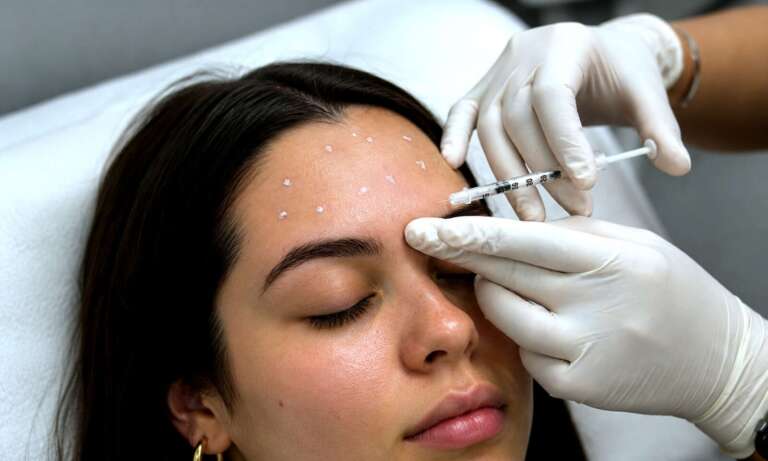
This is where real progress happens. The persistent redness and visible capillaries of rosacea come from dilated blood vessels near the surface. Vascular laser and intense pulsed light treatments deliver energy that is absorbed by those vessels, causing them to shrink and fade so they no longer show through the skin. The result is a calmer, more even complexion with noticeably less background redness. It targets the actual cause of the colour rather than just masking it.
What a course looks like
Treating rosacea redness is usually a series rather than a single session, with improvement building gradually as more vessels are reduced. Because it is a chronic condition, occasional maintenance helps keep results steady over time. Your specialist will map a realistic plan based on how your skin presents, and set honest expectations about what each stage will achieve.
Treatment works best alongside gentle daily care. A fragrance free routine, no harsh scrubs or strong actives, knowing your triggers, and daily sunscreen all protect your results and keep flares to a minimum.
Caring for rosacea prone skin at home
Your home routine matters more than you might think. Keep it simple and soothing, with a gentle, non foaming cleanser, a calming moisturiser, and nothing abrasive or heavily fragranced. Introduce any active ingredient slowly and cautiously. Above all, wear a broad spectrum sunscreen every day, because sun exposure is one of the most common triggers and a major driver of redness over time.
When to seek help
If redness is persistent, bothering you, or getting worse, a professional assessment is the sensible next step. A specialist can confirm what you are dealing with, tailor a treatment plan to your skin, and save you the frustration and expense of guessing with products that were never going to help.
Learn how we treat rosacea and redness and book a consultation to calm your reactive skin.
Key takeaways
- Rosacea is chronic reactive skin with redness, flushing and visible vessels
- It cannot be cured but can be well controlled
- Vascular laser and IPL shrink the vessels causing the redness
- Gentle skincare, trigger awareness and daily SPF protect results
Frequently asked questions
What causes rosacea on the face?
Rosacea involves blood vessels that dilate too easily, causing redness and flushing. Triggers like sun, heat, alcohol, spicy food and stress make it flare, and it often runs in families.
What does rosacea look like?
It usually appears as persistent redness across the cheeks, nose, chin or forehead, with flushing, visible small capillaries and sometimes acne like bumps.
Can rosacea be cured?
Rosacea is a chronic condition, so it cannot be cured, but it can be very well controlled. Treatment reduces redness, fades vessels and makes flare ups milder and less frequent.
Does laser treatment help rosacea?
Yes. Vascular laser and intense pulsed light target the dilated blood vessels behind the redness, shrinking them so the skin looks calmer and more even over a series of sessions.
How should I wash my face if I have rosacea?
Use a gentle, fragrance free, non foaming cleanser and lukewarm water, avoid scrubbing, and pat skin dry. Harsh cleansers and hot water tend to trigger flares.
Is facial redness permanent?
Background redness and visible vessels can be significantly and lastingly reduced with treatment, though because rosacea is chronic, occasional maintenance keeps the results steady.