Laser Skin Rejuvenation: What Resurfacing Really Means

Laser resurfacing and skin rejuvenation get used so loosely in the beauty world that it is genuinely hard to know what you are booking. Underneath the marketing sits a simple, powerful idea: using light to prompt your skin to repair and rebuild itself. Here is what laser skin rejuvenation really means, the main types, and how to tell which one you actually need.
What laser skin rejuvenation actually is
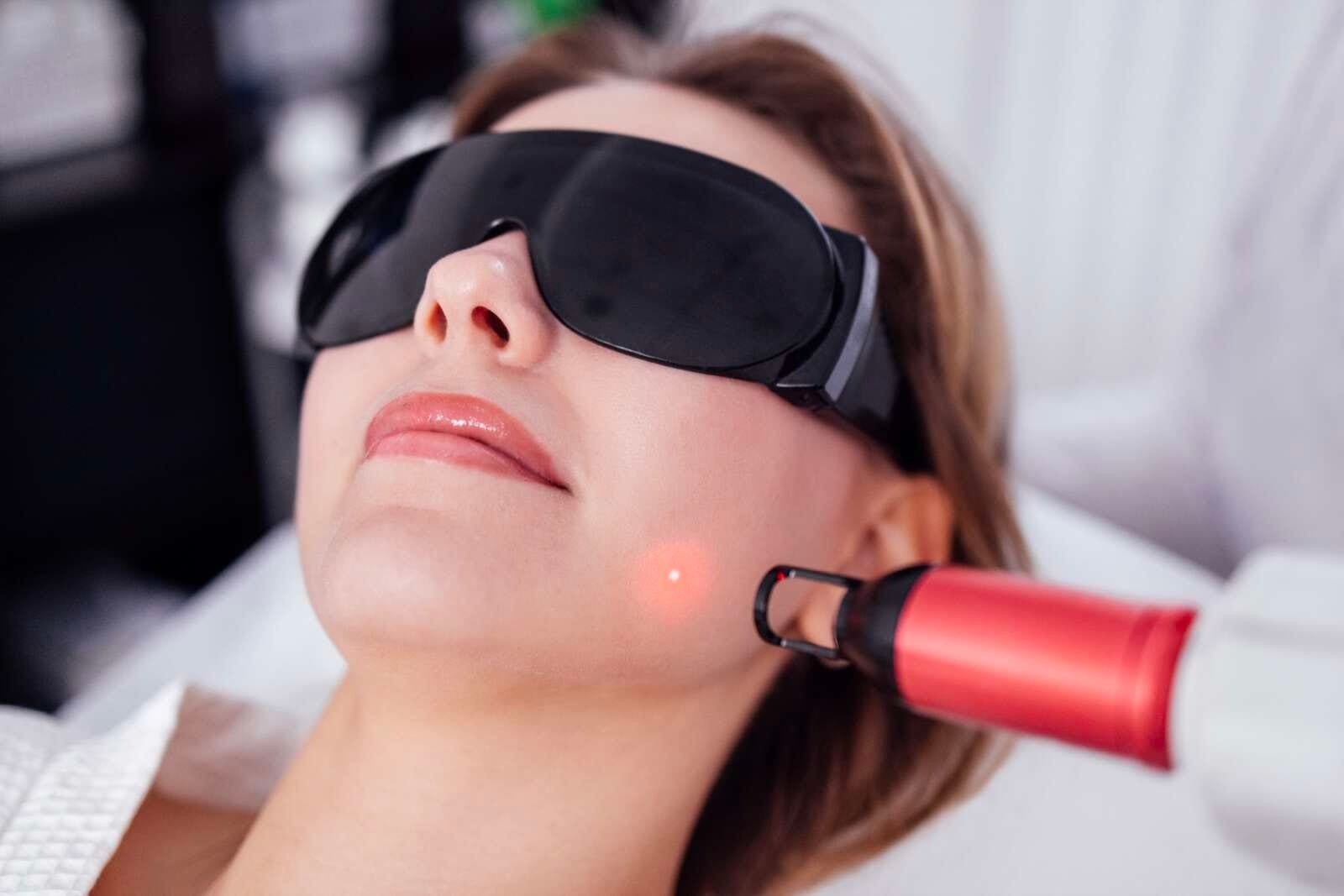
Laser skin rejuvenation is an umbrella term rather than a single treatment. In every version, a laser delivers precise light energy into the skin, which encourages it to renew, produce fresh collagen and remodel over time. Resurfacing refers to the treatments that work on the surface and texture of the skin, smoothing and refining it. The result is skin that looks fresher, firmer and more even, built by your own body’s repair process rather than simply covered up.
The key split: ablative and non ablative
Almost every laser falls into one of two camps, and understanding them makes everything else clearer. Ablative lasers gently remove the outer layers of skin, which delivers the most dramatic resurfacing but comes with more visible healing time. Non ablative lasers leave the surface intact and work by heating the layers beneath, stimulating collagen with far less downtime but needing a series for comparable results. One trades recovery for power, the other trades a single dramatic result for gentler, gradual change.
Where fractional lasers fit in
You will often hear the word fractional, and it is worth knowing. Fractional lasers treat the skin in tiny columns rather than all at once, leaving untouched skin in between to speed healing. This clever approach gives much of the benefit of resurfacing with a shorter, more comfortable recovery, which is why fractional treatments have become such a popular modern workhorse for texture, tone and fine lines.
What it treats
Laser rejuvenation is one of the most versatile tools in a clinic. Depending on the laser and settings, it can soften fine lines and wrinkles, smooth rough or uneven texture, fade sun damage and pigment, refine the look of enlarged pores, improve acne scarring, and lift a dull, tired complexion into something visibly fresher. Because the effect is driven by your skin rebuilding itself, the improvement tends to look natural and continues developing for weeks after your sessions.
Results and downtime, honestly
This varies with the type of laser. Gentle non ablative treatments give a progressive glow with little more than some redness afterwards, while stronger resurfacing produces more striking results alongside a few days of redness, peeling or sensitivity as the skin renews. Neither is better in the abstract. The right balance of result and recovery depends entirely on your goals, your skin and how much downtime you can comfortably take.
Why sun matters so much
Freshly treated skin is more vulnerable to the sun, and sun exposure can undo results and risk uneven pigment. That is why laser work is best timed for the lower light months and always paired with diligent daily sunscreen. Protecting the new skin you have invested in is not an optional extra. It is part of the treatment itself, and your specialist will stress it for good reason.
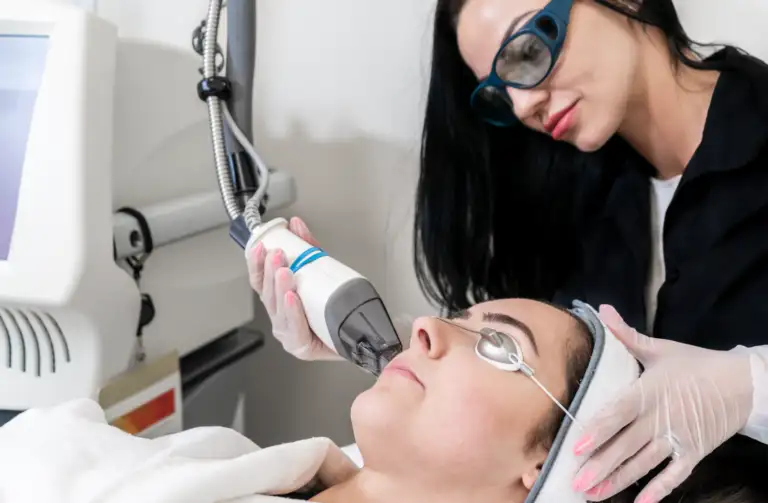
The specific brand of laser matters far less than matching the right type and settings to your skin and goal. A clinic with several platforms can tailor the treatment to you, rather than fitting your skin to the one machine it happens to own.
How many sessions will you need?
It depends on the approach. Gentler non ablative treatments are usually done as a series spaced a few weeks apart, with results building across the course. Stronger ablative resurfacing may achieve a great deal in fewer sessions, sometimes even one, but with more recovery each time. Your specialist will map a realistic plan so you know exactly what to expect before you begin.
Is it right for you?
Laser rejuvenation suits a wide range of concerns, but the right laser and settings depend on your skin type and tone, which is why a professional assessment is essential rather than optional. The honest, safe answer always comes from a consultation, where we look at your skin, discuss your goals and recommend the approach that will actually deliver for you.
Explore laser skin rejuvenation and book a consultation to find the right resurfacing for your skin.
Key takeaways
- Laser rejuvenation uses light to prompt the skin to renew and build collagen
- Ablative lasers resurface more dramatically; non ablative are gentler with less downtime
- It treats lines, texture, pigment, pores, scarring and dullness
- The right laser and settings, plus sun protection, matter most
Frequently asked questions
What is laser skin rejuvenation?
It is an umbrella term for treatments that use laser light to prompt the skin to renew itself, build collagen and smooth texture, tone and fine lines over time.
What does laser skin rejuvenation do?
It can soften lines, smooth uneven texture, fade sun damage and pigment, refine pores, improve acne scarring and brighten dull skin, depending on the laser and settings used.
How does laser skin rejuvenation work?
The laser delivers precise light energy that encourages the skin to repair and produce fresh collagen. Ablative lasers resurface the surface, while non ablative lasers heat the layers beneath.
How many laser skin rejuvenation treatments will I need?
Gentler non ablative treatments are usually done as a series a few weeks apart, while stronger ablative resurfacing can achieve a lot in fewer sessions. Your specialist will map a plan.
Is there downtime after laser skin rejuvenation?
It depends on the type. Gentle treatments cause only brief redness, while stronger resurfacing involves a few days of redness and peeling as the skin renews.
Is laser skin rejuvenation safe for all skin tones?
Many lasers can treat a wide range of skin tones when the right type and settings are chosen, which is why a professional assessment before treatment is so important.