
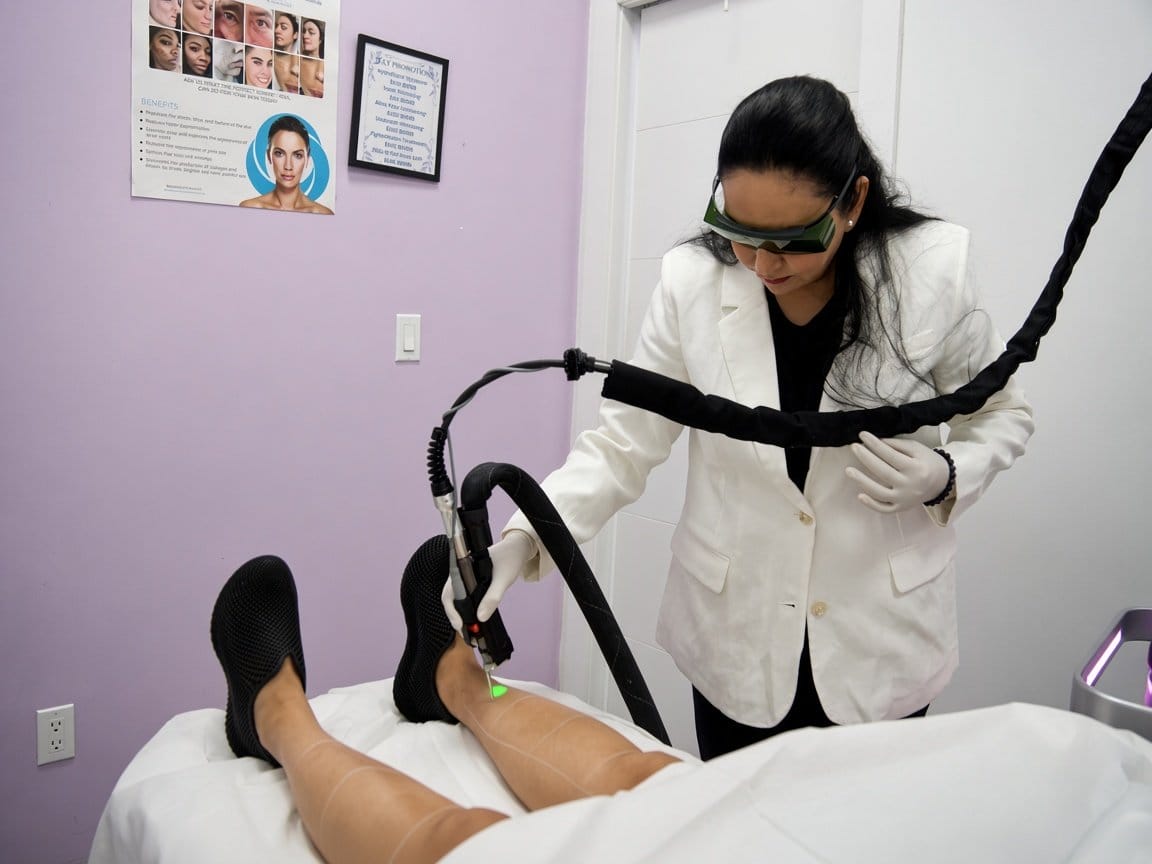
Smooth for Summer: Planning Your Laser Hair Removal Timeline Now

If you want to spend this summer shaving free, the clock is already ticking. Laser hair removal runs on a schedule your hair sets, not one you can rush, which means being smooth for July depends on what you book in spring. Here is how to count backwards and plan your timeline properly, starting now.
Why timing is everything
Laser hair removal is a series, not a single appointment, because your hair grows in cycles and the laser can only disable follicles that are actively growing at the time. That is why results build steadily across several visits spaced weeks apart. You simply cannot compress the process into the weeks before a holiday. The people who glide through summer smooth are the ones who understood this and started early.
Count backwards from summer
Here is the simple maths. A full course is usually six to eight sessions, spaced four to six weeks apart, which spreads across roughly six to eight months from start to finish. Work back from when you want to be at your smoothest and you will see why spring matters. Begin now and you will have had several sessions by the warm months, with hair already dramatically reduced, then finish the course comfortably into autumn.
What you can realistically expect by summer
Honesty helps here. Starting in spring does not usually mean a fully finished course by midsummer, but it does mean a big, visible reduction, with hair growing back finer, sparser and far slower. For most people that is the difference between daily shaving and barely thinking about it. You get the summer you wanted now, and the finishing touches land in the cooler months when conditions are ideal.
Why spring is close to the last good window
There is a reason specialists quietly push people to start before summer arrives. Once the bright months are here and skin is regularly exposed to the sun, starting a fresh course becomes trickier and more cautious. Tanned skin changes how the laser must be set, and sun exposure between sessions can complicate your plan. Beginning in spring, while skin is still at its most natural, keeps everything simpler, safer and more effective.
The tanning problem
This is the part people underestimate. Laser targets pigment in the hair, so a tan, whether from the sun or a bottle, raises the risk of irritation and forces gentler, less effective settings. Throughout your course you will be asked to avoid sun exposure and self tanner on the treatment area. That is far easier to manage with a spring start than if you try to squeeze sessions in between beach days all summer.
Which areas to prioritise for summer
If you are planning around the season, focus first on the zones that are actually on show. Legs, underarms and the bikini line are the classic summer priorities, and they respond well. Starting these now means they are the areas enjoying the biggest reduction exactly when you want them to be. You can always add further areas to your plan as you go.
Book your whole series up front, scheduled into the right four to six week windows, rather than booking session by session. It keeps your cycle timing perfectly on track and stops life getting in the way of your results.
How to prepare for your first session
Preparation is simple. Shave the area within twenty four hours of your appointment, and avoid waxing or plucking, which remove the follicle the laser needs to find. Steer clear of sun exposure and fake tan beforehand. Your specialist confirms your plan, tests your comfort, and books your next visit into the ideal window before you leave, so your timing is never left to memory.
Start now, enjoy summer later
Smooth summer skin is not luck, it is planning. The sooner you begin, the more progress you will have made by the time it matters, and the easier your whole course will be.
Explore full body laser hair removal and book a consultation to map your timeline to summer.
Key takeaways
- A full course takes six to eight sessions over roughly six to eight months
- Starting in spring means a big reduction by summer, finishing in autumn
- Tanned skin complicates treatment, so begin before peak sun
- Prioritise legs, underarms and bikini for the summer season
Frequently asked questions
How long before summer should I start laser hair removal?
Ideally several months ahead. A full course runs six to eight sessions over roughly six to eight months, so a spring start gives a big reduction by summer and finishes in autumn.
How many sessions of laser hair removal will I need?
Most people need six to eight sessions spaced four to six weeks apart, because hair grows in cycles and each session treats the follicles that are actively growing.
Can I have laser hair removal in summer or if I am tanned?
Tanned skin raises the risk of irritation and forces gentler settings, so it is best treated untanned. This is exactly why starting before peak sun is recommended.
How long should I wait between sessions?
Usually four to six weeks, timed to your hair’s growth cycle. Facial hair tends to cycle faster than body hair, so the interval is adjusted by area.
Will just a few sessions make a difference by summer?
Yes. Even before your course is complete, hair grows back finer, sparser and slower, which for most people is the difference between daily shaving and barely needing to.
Is laser hair removal permanent?
It gives permanent hair reduction. Most treated follicles are disabled for good, with occasional maintenance for hormonally active areas.