
Melasma or sun spots? Why the difference matters

Brown patches on the face are one of the most common concerns that walks through our doors, and one of the most misunderstood. Melasma and sun spots can look alike in the mirror, but they behave completely differently under treatment. Getting the diagnosis right is the difference between clearing pigment and chasing it.
How to tell them apart
Sun spots are usually small, defined and scattered where sun hits most: cheekbones, hands, shoulders. Melasma tends to appear as soft, symmetrical patches across the cheeks, forehead or upper lip, and it is driven by hormones as much as sunlight, which is why it often arrives with pregnancy or contraception changes.

Why treatment paths differ
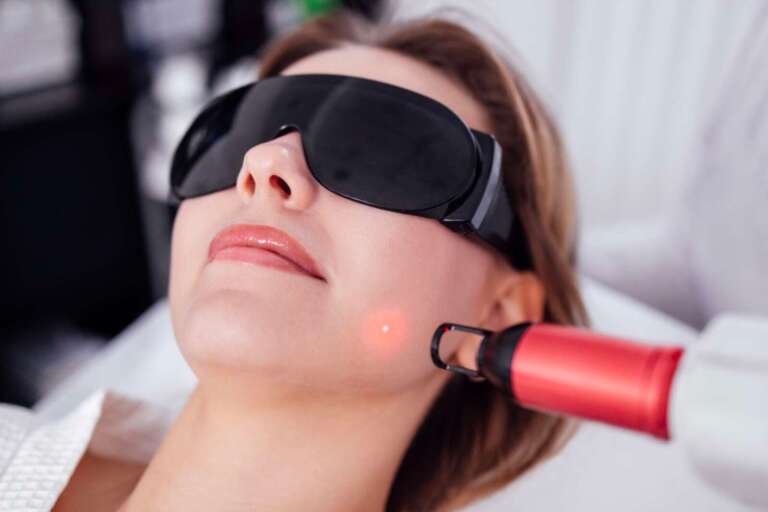
Sun spots respond beautifully to targeted light and laser treatments that break up defined pigment. Melasma needs a gentler, layered strategy, since aggressive heat can make it rebound darker. That usually means calming treatments, disciplined SPF and medical-grade home care working together over months.
This is exactly why we assess pigment under proper lighting before recommending anything. The wrong treatment for melasma is worse than no treatment at all.
Where to start
Read more on our melasma and brown spots pages, then book a free consultation. We will identify what you are actually dealing with and map the plan that fits it.
The role of home care
With pigment, what happens between appointments matters as much as the appointments themselves. Medical-grade home care, built around brightening antioxidants, gentle renewal ingredients and daily broad-spectrum SPF, keeps treated pigment from returning and untreated pigment from deepening.
This is where the ZO Skin Health routines we build truly earn their place, particularly for melasma, where consistency beats intensity every time.
What results realistically look like
Sun spots often respond impressively within one to three targeted sessions, fading through a brief darkening phase before flaking away. Melasma improves more gradually, over months rather than weeks, and honest practitioners describe it as managed rather than cured, since hormones can always ask it back.
Set expectations correctly and both journeys are deeply satisfying. Set them wrong and even good results disappoint, which is why we talk timelines before treatment.
One important safety note
Most brown patches are harmless, but any spot that is changing shape, colour or size, bleeding, or simply worrying you belongs in front of your family doctor or a dermatologist first. We are happy to be the second stop after medical clearance, and we take that order seriously.
Triggers you can actually control
Sunlight is the obvious one, but heat itself can provoke melasma, which is why saunas and hot yoga sometimes flare it. Wide-brim hats, seeking shade at midday and reapplying SPF every two hours outdoors do more for pigment than any single treatment. Hormonal triggers deserve a conversation with your doctor.
None of this is about hiding indoors. It is about removing the fuel while treatment removes the fire.
How we build a pigment plan
Every plan starts under proper diagnostic lighting, because treating the wrong pigment wastes your time and money. Confirmed sun spots get targeted light-based sessions with satisfying speed. Melasma gets the patient protocol: calming treatments, disciplined home care and review points where we adjust based on how your skin responds.
Progress photos at each stage keep the journey honest and visible, especially through the slower melasma months.
Living with pigment, without frustration
The healthiest mindset treats pigment management like dental care: excellent daily habits, professional support at intervals, and quick attention when something changes. Seasonal flares after summer are normal and correctable. With that rhythm in place, clear skin stops being a battle and becomes a routine.
Beyond the face: hands and chest
Sun spots rarely confine themselves to the face. The backs of the hands and the chest collect decades of incidental sun, and they respond beautifully to the same targeted light treatments, often folded into the same appointment series as your facial plan.
Treating these areas together creates a consistency people notice without knowing why: face, chest and hands telling the same story. The prevention habits protect everything equally, so one routine of daily SPF quietly maintains it all.
We also photograph your starting point under the same lighting at every review, because pigment progress is easy to forget once you see your face daily. Watching three months of change side by side is often the moment clients realize just how far their skin has come, and exactly why the patient, methodical approach earns its keep. Slow and certain wins here.
Specialist Tip
Daily broad-spectrum SPF is non-negotiable for both conditions. It is the one treatment every pigment plan shares.
Key takeaways
- Sun spots are defined and scattered; melasma is soft and symmetrical
- Melasma is hormone-driven and needs a gentler strategy
- The wrong treatment can make melasma rebound darker
- Proper assessment comes before any pigment plan