Skin Tightening Without Surgery: Your Non-Surgical Options

Not long ago, the only real answer to loose or sagging skin was a surgical lift. That is no longer the case. A whole category of non-surgical treatments can now firm, lift and tighten skin with no scalpel, no general anaesthetic and little to no downtime. Here is an honest look at what non-surgical skin tightening can and cannot do, and the options worth knowing about.
Why skin loosens in the first place
Firm skin depends on two proteins, collagen and elastin, which form the supportive scaffolding beneath the surface. From our mid twenties onwards we produce less of both, and sun exposure, genetics and significant weight loss speed the decline. As that scaffolding weakens, skin starts to feel less firm and begins to sag, most noticeably along the jawline, neck and cheeks. Non-surgical tightening works by targeting exactly that underlying structure.
How non-surgical tightening works
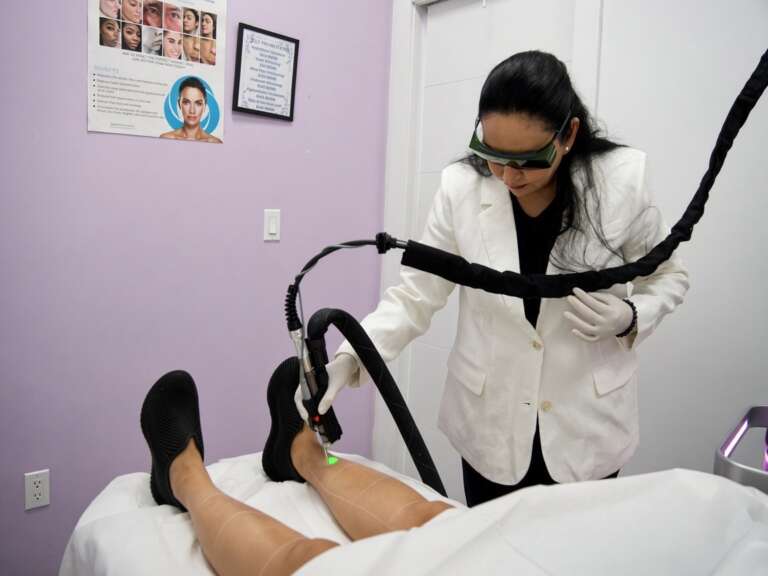
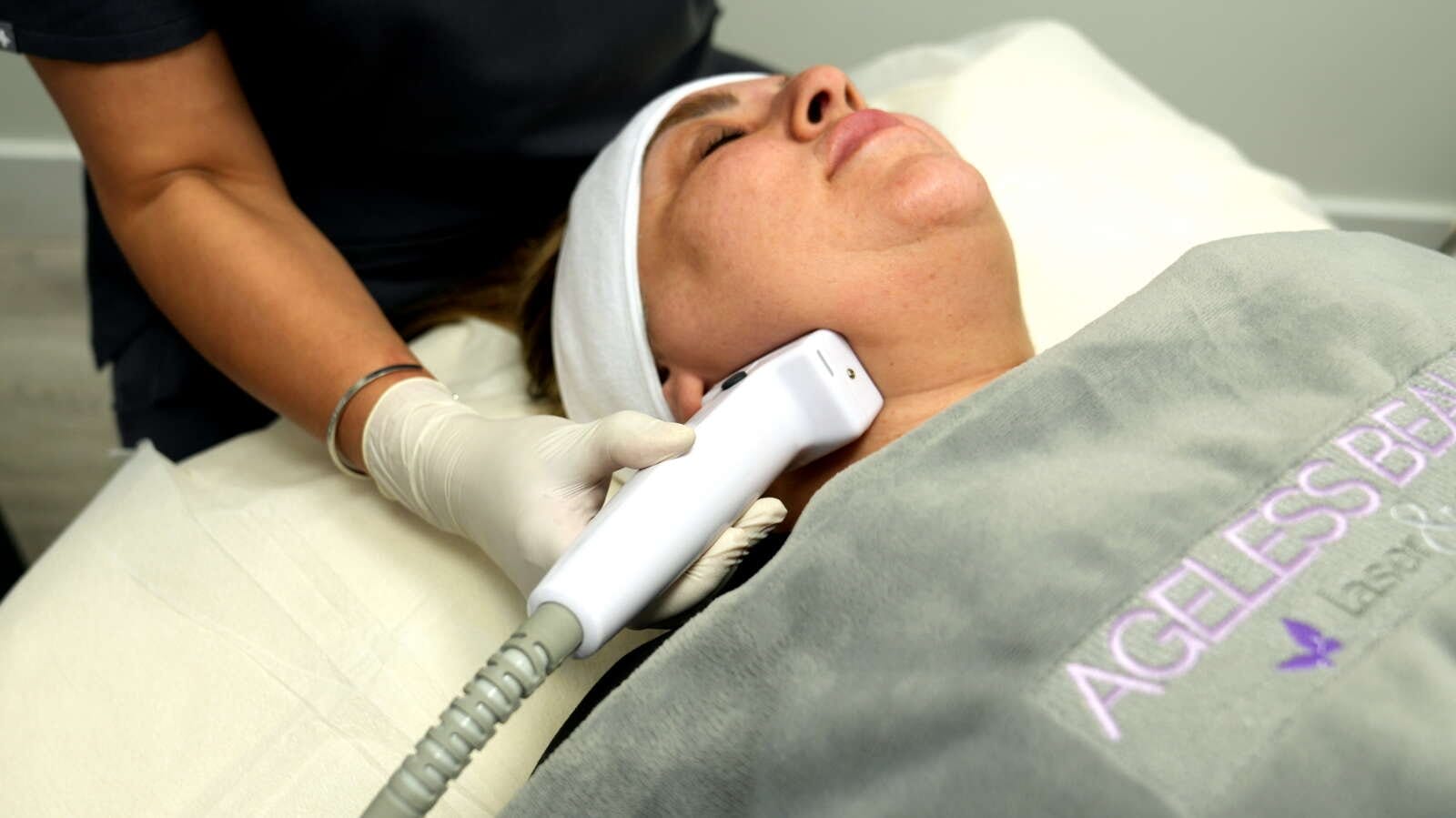
The clever idea behind these treatments is heat, delivered precisely and safely into the deeper layers of the skin. Technologies such as radiofrequency, infrared light and ultrasound warm the tissue to a point that makes existing collagen contract for an immediate subtle firming, while also triggering your body to build fresh collagen over the following weeks and months. The surface is left intact, which is why there is so little downtime, yet the support underneath is strengthened.
The main options
There are several approaches, and the best one depends on your skin. Infrared and radiofrequency tightening treatments gently heat broad areas to firm and refresh with no downtime. Radiofrequency microneedling, such as Morpheus8, combines tiny micro channels with deep heat for a stronger lifting and remodelling effect on more pronounced laxity. Because each works a little differently, a clinic with more than one platform can match the treatment to your concern rather than forcing one device to do every job.
What it realistically achieves
Here is where honesty matters. Non-surgical tightening delivers a gradual, natural looking firming and lift. It can sharpen a softening jawline, smooth and tighten the neck, refine texture and give skin a firmer, more youthful quality. What it does not do is replicate a surgical facelift, which physically removes and repositions excess skin. For mild to moderate laxity and for staying ahead of ageing, it is excellent. For very significant sagging, it is not a like for like substitute, and a good specialist will tell you so.
Who it suits best
These treatments are ideal for people with early to moderate skin laxity who want to firm and lift without surgery or downtime. They suit those not ready for, or not wanting, a surgical option, anyone looking to stay ahead of ageing, and people seeking a modest improvement after weight loss. If your main goal is prevention and maintenance as much as correction, non-surgical tightening is very much in its element.
Results and timeline
Patience is rewarded here. You may notice a subtle firmness quite soon as existing collagen tightens, but the real result builds over the weeks and months that follow as new collagen matures. Most plans involve a short series of sessions, with occasional maintenance to sustain the effect. It is a gradual, natural progression rather than an overnight change, which is exactly why the results tend to look so believable.
Non-surgical tightening works best early. Starting while laxity is still mild gives the strongest results and helps slow further sagging, so it is as much a prevention tool as a correction one. You do not have to wait until things bother you.
The honest limits
No non-surgical treatment can match surgery for severe, advanced sagging, and anyone promising otherwise is overselling. The key to being happy with your results is realistic expectations, which is why a proper consultation is so important. When the treatment is matched to the right degree of laxity, satisfaction is high. When it is oversold for something beyond its reach, it disappoints.
Finding the right option for you
With several technologies available, the best next step is simply a professional assessment. We look at your skin, discuss your goals and recommend the approach, or combination, most likely to deliver for you, along with honest timelines. That clarity is what turns a vague wish for firmer skin into a plan that actually works.
Explore non-surgical skin tightening and book a consultation to find your best option.
Key takeaways
- Skin loosens as collagen and elastin decline with age and sun exposure
- Non-surgical tightening uses heat to contract and rebuild collagen
- It firms and lifts mild to moderate laxity, but does not replace surgery
- Results build over months, and starting early gives the best outcome
Frequently asked questions
Can you tighten loose skin without surgery?
Yes. Treatments using radiofrequency, infrared or ultrasound heat the deeper layers to contract existing collagen and build new collagen, firming and lifting skin with no scalpel and little downtime.
What is the best non-surgical skin tightening treatment?
There is no single best option, it depends on your skin and the degree of laxity. Radiofrequency, infrared tightening and RF microneedling such as Morpheus8 each suit different needs.
Does non-surgical skin tightening really work?
For mild to moderate laxity, yes, it gives a gradual, natural firming and lift as collagen rebuilds. It does not replicate a surgical lift for very significant sagging.
How can I tighten the skin on my neck without surgery?
Radiofrequency and RF microneedling treatments are commonly used to firm the neck and jawline by stimulating collagen. A specialist will advise the best option for your skin.
Can you tighten skin after weight loss without surgery?
Non-surgical treatments can give a modest improvement for mild to moderate loose skin after weight loss, but significant excess skin usually needs a surgical approach.
How long do the results last?
Results build over months and can last a year or more, with occasional maintenance sessions helping to sustain the firming effect over time.